Managing Menopause Night Sweats: The Best Cooling Bedding and Sleep Strategies
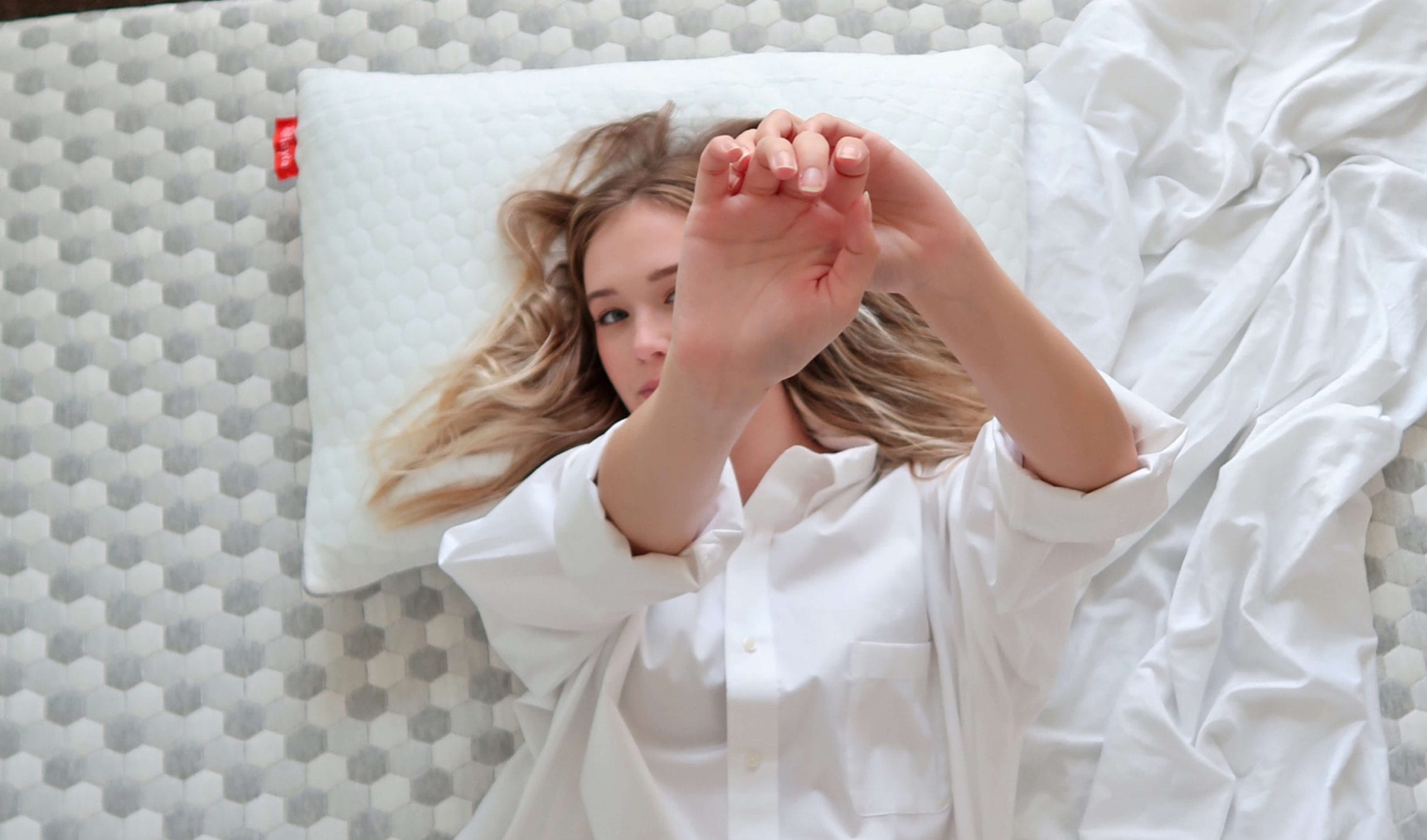
Menopause night sweats are sudden episodes of intense heat and heavy perspiration that wake you up in the middle of the night. Managing them comes down to a combination of lifestyle changes, the right bedding, and in some cases, medical support.
If you’ve ever woken up drenched at 2 a.m. and spent the next hour trying to cool down enough to fall back asleep, you’re far from alone. Roughly 75% of all women experience hot flashes.[1] For many women, these episodes become one of the most disruptive parts of the transition.
The good news is that there’s a lot you can do about it, from adjusting your sleep environment and swapping out your bedding to making small changes to your daily routine. Keep reading to learn what causes menopause night sweats, what they feel like, and the most effective strategies for getting better sleep through this stage of life.
Key Takeaways
- Menopause night sweats are caused primarily by hormonal shifts that affect the brain’s ability to regulate body temperature, making you more sensitive to even small changes in warmth.
- Cooling bedding, including breathable sheets, a temperature-regulating comforter, and a supportive mattress, can significantly reduce how often and how intensely you experience night sweats.
- Common triggers like caffeine, alcohol, spicy foods, and a warm bedroom environment can make menopause night sweats worse.
- Layla’s copper-infused bedding is designed to pull heat away from the body, offering a cooler, more comfortable surface for sleepers dealing with temperature fluctuations.
- If lifestyle and bedding changes aren’t enough, hormone replacement therapy and other medical options are worth discussing with your doctor.
What Is Menopause?
Menopause is the natural process that marks the permanent end of menstruation and fertility. It’s officially diagnosed after you’ve gone 12 consecutive months without a menstrual period, and it most commonly occurs in women between the ages of 45 and 55.[2]
The years leading up to menopause — called perimenopause — are when most of the symptoms actually begin, as hormone levels begin fluctuating and declining. The average age of menopause in the United States is 51, though it can happen earlier or later depending on genetics, health history, and other factors.[3]
What Are Menopause Night Sweats?
Menopause night sweats are essentially hot flashes that happen while you sleep. They can leave a woman drenched in sweat and needing to change her clothes and sheets.[1] During an episode, your body temperature spikes suddenly, triggering heavy perspiration as your body tries to cool itself down.
What sets menopause night sweats apart from ordinary sweating during sleep is their intensity. Night sweats are drenching sweats that are intense enough to disturb your sleep.[4]
What Causes Night Sweats During Menopause?
Several factors contribute to menopause night sweats, and most of them trace back to the hormonal shifts your body goes through during this transition. Here’s a closer look at the main causes:

- Hormonal changes: The primary driver behind menopause night sweats is declining estrogen. When estrogen and progesterone levels naturally decline, the body releases other hormones that can affect the brain’s thermostat, causing body temperature to fluctuate and triggering the body’s cooling response.[1]
- Hypothalamus sensitivity: The hypothalamus acts as your body’s internal thermostat, and estrogen plays a role in keeping it calibrated. The decline in estrogen causes the neurons in the hypothalamus to fire differently, narrowing the thermoneutral zone, which is the temperature range your body is comfortable in. Once that zone narrows, even a small increase in core body temperature can trigger a full cooling response, even when your body doesn’t actually need to cool down.[5]
- Lifestyle and environmental triggers: Hormones aren’t the only factor. Caffeine, alcohol, spicy foods, stress, and smoking can all raise core body temperature or amplify the body’s heat response, making menopause night sweats more frequent or intense. Sleeping in a warm bedroom — even a few degrees above the ideal range — can also be enough to set off an episode.[6]
What Are the Symptoms of Menopause Night Sweats?
Menopause night sweats tend to follow a recognizable pattern, though the severity varies from person to person. If you’re not sure whether what you’re experiencing qualifies, below we’ve outlined the most common symptoms to watch for. Always consult with your doctor if you’re experiencing any symptoms for an accurate diagnosis:[6]
- Sudden intense warmth: Most episodes start with a wave of heat that seems to radiate from your chest, neck, or face outward. This sensation usually comes on quickly and without warning.
- Heavy sweating during sleep: The heat is followed by noticeable perspiration — sometimes mild, sometimes heavy enough to leave visible dampness on your skin, hair, and bedding. This is the hallmark symptom and the reason they’re called “night sweats” rather than simply feeling warm.
- Chills after sweating: Once the sweating phase passes, many women experience a sudden chill as the moisture on their skin begins to evaporate. This swing from hot to cold can be uncomfortable enough on its own to keep you awake.
- Difficulty falling back asleep: Between the physical discomfort and the adrenaline spike that often accompanies a night sweat, getting back to sleep can take a while.
- Waking up with damp pajamas or sheets: For more intense episodes, you may find your clothing and bedding noticeably wet when you wake up. This is one of the reasons the right bedding matters so much. Moisture-wicking materials dry faster and help you cool down more quickly.
How Can You Manage Night Sweats Caused by Menopause?
There’s no single fix for menopause night sweats, but a layered approach tends to work best. Combining environmental changes, better bedding, lifestyle adjustments, and — when needed — medical support can make a real difference in how often and how severely night sweats affect your sleep. Here are the most effective strategies worth trying:

Create a cooling sleep environment
Most sleep experts claim the best temperature for sleep falls between 60 and 67°F for optimal sleep quality, and that range is even more important when you’re dealing with menopause night sweats. If you don’t have air conditioning or prefer not to run it all night, try opening windows on opposite sides of the bedroom to create a cross breeze. A fan near the bed can also help circulate air across your body. Learning how to keep your room cool without cranking the AC can save money and still keep you comfortable.
Your mattress matters here, too. Traditional mattresses tend to trap heat, which can make night sweats worse. Layla’s Memory Foam Mattress is infused with copper gel, which takes advantage of the benefits of copper as a natural heat conductor to help regulate surface temperature. If you prefer a more traditional feel with added support, Layla’s Hybrid Mattress combines individually wrapped coils for airflow with copper-infused memory foam for cooling comfort.
Invest in cooling bedding
The right bedding setup can make a noticeable difference for women dealing with menopause night sweats. Every layer between you and the mattress is either helping you stay cool or trapping more heat, so it’s worth thinking about your sleep system as a whole. Here are the pieces that matter most:
- Breathable sheets: Opt for materials like bamboo, which naturally wick moisture and allow airflow. Layla’s Bamboo Sheets are soft, breathable, and designed for sleepers who run warm. You can also explore sheets for hot sleepers for more options.
- Cooling comforter: A heavy, down-filled comforter can trap heat and make night sweats worse. A down alternative comforter offers the same cozy feel without the excess warmth. You can find more options in our guide on comforters that keep you cool. For those who love the feel of down but overheat easily, a down comforter for hot sleepers is worth looking into.
- Mattress topper or protector: A cooling mattress topper or mattress protector adds another layer of temperature regulation between you and the mattress. Look for options made with gel-infused materials or breathable fabrics.
- Cooling pillow: Your head and neck generate a lot of heat during sleep. A pillow with gel layers or breathable fill helps dissipate that warmth so you’re not flipping to the cool side every 20 minutes. Consider Layla’s Kapok Pillow or Memory Foam Pillow, both known for their breathability and comfort.
Avoid night sweat triggers
Some of the most effective changes are also the simplest. Paying attention to what makes your menopause night sweats worse can help you cut down on episodes without spending a dime. Common triggers to avoid in the hours before bed include:
- Caffeine: Coffee, tea, and even chocolate can raise your core body temperature and stay in your system for hours.
- Alcohol: While a glass of wine may feel relaxing, alcohol dilates blood vessels and increases body heat, often triggering night sweats a few hours after consumption.
- Spicy foods: Capsaicin — the compound that makes food spicy — directly stimulates heat receptors, which can kick off a sweating response during sleep.
- Smoking: Nicotine has been associated with more frequent and severe hot flashes and night sweats.[7]
Use cooling tools
Beyond bedding, there are several cooling tools that can help you manage menopause night sweats in the moment:
- Cooling neck wraps: Wrapping a cold or gel-infused cloth around your neck before bed can help lower your core temperature. The neck is a pulse point where blood flows close to the skin’s surface, so cooling it has a noticeable effect.
- Bed fans: These low-profile fans sit at the foot of the bed and blow a gentle stream of air between the sheets, circulating cool air directly over your body.
- Gel packs: Keeping a small gel pack in the freezer and placing it under your pillow or near your body when you wake up can speed up cooling after an episode.
Make adjustments to diet and exercise
Physical activity has been associated with fewer and less intense vasomotor symptoms.[8] Try to get at least 30 minutes of moderate exercise most days of the week, and finish workouts at least a few hours before bed so your body has time to cool down.
On the nutrition side, eating lighter meals and staying hydrated throughout the day helps your body regulate temperature better. Drinking water before bed has its own set of benefits worth understanding.
Manage stress and anxiety
Stress doesn’t just affect your mood — it directly contributes to menopause night sweats. When cortisol levels are elevated, your body runs warmer and becomes more reactive to temperature changes.
Practices like deep breathing, meditation, progressive muscle relaxation, or even a brief journaling session before bed can help lower cortisol and ease the intensity of nighttime episodes.
Wear breathable clothing
What you wear to bed matters more than you might think. Tight-fitting or synthetic pajamas trap heat and moisture against your skin, making night sweats feel worse and last longer. Opt for loose-fitting sleepwear made from natural, moisture-wicking fabrics like cotton or bamboo.
Some brands also make sleepwear specifically designed for women experiencing menopause night sweats, with built-in ventilation panels and quick-dry technology.
HRT or non-hormonal medications and supplements
If you’ve tried lifestyle changes, upgraded your bedding, and adjusted your daily habits, but menopause night sweats are still significantly disrupting your sleep and quality of life, it’s worth talking to your doctor about medical options.
Hormone replacement therapy (HRT) is considered the most effective treatment for severe vasomotor symptoms. It works by supplementing the estrogen your body is no longer producing in adequate amounts and is available in several forms, including pills, patches, and creams.
For women who can’t or prefer not to take hormones, there are several non-hormonal prescription medications that have been shown to reduce the frequency and severity of night sweats. Your doctor can walk you through the options that make sense for your situation.
Some women also explore supplements, though the scientific evidence for these is mixed, so it’s worth checking with your doctor before adding anything new.
If you want more general strategies for nighttime sweating, our guide on how to stop sweating at night covers additional tips that apply beyond menopause.
FAQs: Menopause Night Sweats
When should you see a doctor about menopausal night sweats?
Talk to your doctor if menopause night sweats are happening most nights and significantly affecting your sleep quality, daytime energy, or mood. You should also seek medical advice if your night sweats are accompanied by other symptoms that don’t seem related to menopause, as these could signal a separate underlying condition that needs evaluation.
How long do menopause night sweats typically last?
For most women, menopause night sweats last between 7 and 11 years total.[9] However, the timeline varies widely. Some women experience them for just a year or two, while others deal with them for well over a decade. Women who begin having night sweats earlier in perimenopause tend to experience them for a longer duration.
Are hot flashes and night sweats the same?
Hot flashes and night sweats are both vasomotor symptoms driven by the same hormonal changes, but they occur at different times. Hot flashes happen during waking hours, while night sweats occur during sleep. Night sweats tend to feel more disruptive because they interrupt your sleep cycle and often involve heavier perspiration, since your body is under blankets in an enclosed environment.
Wrapping Up: Managing Night Sweats Caused by Menopause
Menopause night sweats may be a common part of this life stage, but they don’t have to control your sleep. The right combination of a cool bedroom, breathable bedding, and a few smart lifestyle adjustments can go a long way toward helping you sleep through the night more comfortably.
If you’re ready to upgrade your sleep setup, Layla’s copper-infused mattresses, bamboo sheets, and cooling comforters are all designed with temperature regulation in mind. Explore our full collection of cooling sleep products and find the right combination for your body and your budget.
References
- Introduction to Menopause | Johns Hopkins Medicine, www.hopkinsmedicine.org/health/conditions-and-diseases/introduction-to-menopause.
- “Menopause.” Mayo Clinic, Mayo Foundation for Medical Education and Research, 7 Aug. 2024, www.mayoclinic.org/diseases-conditions/menopause/symptoms-causes/syc-20353397.
- “The Menopause Years.” ACOG, www.acog.org/womens-health/faqs/the-menopause-years.
- “Night Sweats: Menopause, Other Causes & Treatment.” Cleveland Clinic, 18 Nov. 2025, my.clevelandclinic.org/health/symptoms/16562-night-sweats.
- “75% of People Experience Hot Flashes during Menopause, Fewer than 50% Get Treatment.” UCLA Health, 3 Oct. 2023, www.uclahealth.org/news/article/hot-flashes-and-more-new-program-helps-patients-through.
- “What Are Hot Flashes?” Cleveland Clinic, 16 Feb. 2026, my.clevelandclinic.org/health/symptoms/15223-hot-flashes.
- Cochran, Chrissy J, et al. “Cigarette Smoking, Androgen Levels, and Hot Flushes in Midlife Women.” Obstetrics and Gynecology, U.S. National Library of Medicine, Nov. 2008, pmc.ncbi.nlm.nih.gov/articles/PMC2673540/.
- “Hot Flashes.” The Menopause Society, 5 June 2025, menopause.org/patient-education/menopause-topics/hot-flashes.
- Duration of Menopausal Vasomotor Symptoms over the Menopause Transition | Gynecology | Jama Internal Medicine | Jama Network, jamanetwork.com/journals/jamainternalmedicine/fullarticle/2110996.