Comforter Buying Guide: How to Choose the Perfect Materials

Choosing the right comforter comes down to your sleep temperature, preferred warmth level, fill material, and comfort preferences. The best comforters balance breathability, insulation, and construction quality to help you sleep comfortably in every season.
No matter why you want to invest in a new comforter, there are many important factors to consider if you want the best one. Comforters come in different sizes and are made from different materials, plus you have to consider fill power. There are also little things that factor into how to choose a good comforter, such as style and ease of care. If you need help picking the perfect comforter for your bed, Layla Sleep® has an in-depth look at all the information you need to make a smart decision.
Read through our comforter buying guide below to find the best comforter to help you sleep at night.
Key Takeaways
- There are several common types of comforters to choose from, including down, down alternative, cotton, wool, silk, and bamboo comforters.
- Down comforters are typically lighter and fluffier, while down alternative comforters are more affordable, hypoallergenic, ethical, and easier to maintain.
- Fill power measures loft and insulation quality, while fill volume refers to how much material is inside the comforter. Both affect warmth and feel.
- Hot sleepers typically benefit from breathable materials that promote airflow, like cotton, bamboo, or down alternative, while cold sleepers might benefit from higher-loft or heavyweight comforters.
- Construction details like baffle-box stitching, breathable shell fabrics, and evenly distributed fill can improve durability, comfort, and temperature regulation.

What Should You Consider When Buying a Comforter?
When choosing a comforter, it’s important to look beyond softness and consider factors that affect comfort, temperature regulation, durability, and ease of care. Features like fill material, fill power, construction, size, and cost all play a role in how a comforter feels and performs over time.
Comforter materials
Choosing the right materials is another big part of how to buy a comforter. If you have allergies, finding hypoallergenic bedding options is an important part of getting good sleep. For hot sleepers, it’s all about finding a comforter that’s breathable and lightweight. The comforter material you choose has a big impact on your sleep quality, with the most common options being cotton, wool, silk, and bamboo.
- Down: Down comforters are made from down that’s sourced from waterfowl like ducks and geese, which is extremely soft, lightweight, and breathable. However, down comforters are also the most expensive option, and you have to take them in for professional cleaning regularly. Additionally, their sourcing practices are unethical.
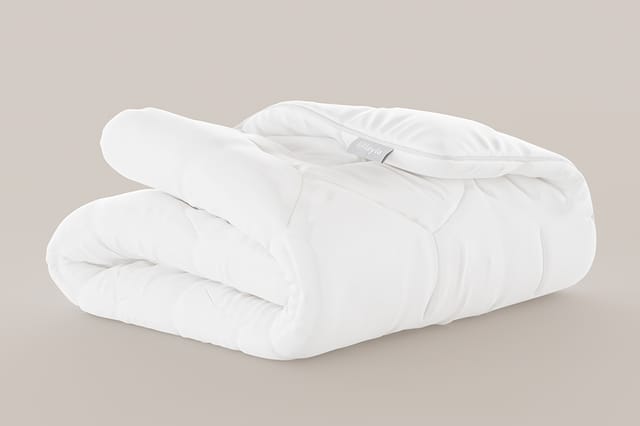
- Down Alternative: When comparing down vs. down alternative, down alternative is a more affordable, cruelty-free alternative to authentic down. The Layla Down Alternative Comforter provides down-like softness and breathability with a hexagon quilt pattern for a more even fill. With sewn-in loops, this comforter works on its own or with a duvet cover. Plus, the Layla Comforter is a great solution if you’re looking for a hypoallergenic option.
- Cotton: Cotton is the most common comforter material, offering a good compromise between the other fabric options. Since it’s hypoallergenic, soft, and breathable, cotton is a popular choice for a lot of sleepers. Cotton is also fairly durable and easy to care for.
- Wool: While most people consider wool bedding to be too hot, it actually does a good job of regulating your body temperature in every season. Wool is one of the longest-lasting bedding materials, plus it’s natural. However, wool does require a bit more specialized care than cotton and other simple materials.
- Silk: Known as one of the most luxurious bedding materials, silk can be a good choice for comforters. Despite the way it feels, silk does an excellent job of wicking away moisture, and its soft feel makes it a great material for sleeping. However, silk requires a bit more care than other types of bedding and can be more expensive.
- Bamboo: A great all-around choice, bamboo comforters offer lightweight breathability at affordable prices that make them the perfect choice for hot sleepers. Bamboo is breathable and absorbent, so sweat isn’t a problem. Plus, bamboo is a great choice if you’re looking for hypoallergenic bedding.

Comforter fill power
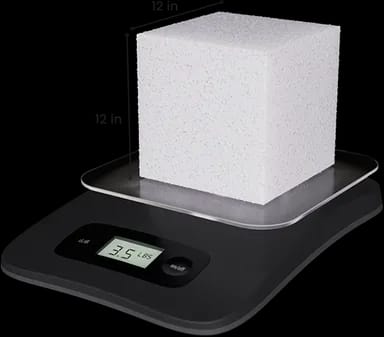
The fill power of a comforter refers to how much filling is inside the comforter, with higher fill powers indicating more filling and a warmer blanket. You should also consider fill volume, which is the volume an ounce of a material like down or down alternative takes up. While you want a comforter with a high enough fill power and volume, simply opting for the highest fill power can leave you too hot and unable to sleep at night.

At Layla Sleep, we’ve worked hard to create the perfect cooling comforter. We know how important fill power and volume are to getting a good night’s sleep, so we invest time into finding the ideal fill power for a down alternative comforter. In the end, we decided to design our Layla Comforter with a fill power of 700 and a fill volume of 10 ounces, which we found to be perfect for both cold and warm months. By meeting right in the middle of a typical cold-weather comforter and warm-weather comforter, this fill power keeps you cozy at night without making you overheat during the summer.
Comforter sizes
Comforter sizing is partly about fit and partly about personal preference. Some people like a comforter that sits neatly on their bed, while others prefer extra drape along the sides for a cozier look and feel. Standard comforter sizes can vary slightly between brands, so make sure to always compare dimensions rather than relying on labels like Queen or King. If you have a taller mattress, use a mattress topper, share a bed with a partner, or prefer extra coverage, sizing up or choosing an oversized comforter can help prevent tugging and improve overall comfort.
Take a look at the chart below to find out which comforter size is best for your mattress:
| Bed Size | Mattress Dimensions | Standard Comforter Widths | Standard Comforter Lengths |
|---|---|---|---|
| Twin | 38 inches x 75 inches | 66-68 inches | 86-88 inches |
| Twin XL | 38 inches x 80 inches | 68 inches | 90 inches |
| Full | 54 inches x 75 inches | 81-84 inches | 86-88 inches |
| Queen | 60 inches x 80 inches | 86-88 inches | 96-100 inches |
| King | 76 inches x 80 inches | 102 inches | 86-88 inches |
| California King | 72 inches x 84 inches | 107-110 inches | 96-98 inches |
Comforter thread count
Thread count refers to the number of threads that were woven together into one square inch of fabric. As more threads are woven in a crisscross pattern, it creates a more solid square inch of fabric, which feels softer to the touch and provides greater durability over time. Ideally, you want sheets and comforters with a thread count ranging from 200 to 400. Some brands make sheets with thread counts nearing and even exceeding 1,000, but there’s a lot of debate about whether those numbers are accurate and actually mean anything.
The Layla Down Alternative Comforter is made with a thread count of 300 for excellent softness and durability. A true 300 thread count comforter is more than soft enough to help you sleep without driving up the price of the comforter by several hundred dollars. Plus, the Layla Comforter is designed for durability that helps it maintain that soft feel, warmth, and breathability for years to come.
Comforter care and durability
Taking care of your bedding is just as important as choosing the right bedding in the first place. You should wash sheets, pillowcases, and comforters regularly to keep them clean, following the manufacturer’s instructions to make sure you’re not doing any damage to your bedding. When it comes to how often you should wash a comforter, many recommend once every one to two months.
Some comforter materials—down in particular—are very hard to care for. Learning how to wash a down comforter can be difficult, which is why many require professional cleaning when they do get dirty. That means you have to take your comforter to a professional dry cleaner, wait for them to clean it, then drive back to the cleaners to pick it up again. In some cases, you might have to find another comforter to sleep with for a night. Plus, all that professional cleaning can cost a fortune on top of the higher price of down.
The Layla Down Alternative Comforter is made with down alternative instead of down, so it offers the same great comfort without the complicated care. When your Layla Comforter gets dirty, all you have to do is throw it in the washer and transfer it to the dryer afterward. Not only does this make cleaning simple, but it also saves you a lot of money on dry cleaning.
As far as the difficulty of care goes, bamboo comforters are also a fairly simple option. Similar to the instructions for washing bamboo sheets, manufacturers may recommend washing in cold water or with certain detergents, but you can still use your washing machine. Silk should be washed by hand with a mild soap and lukewarm water, while cotton can typically be thrown in the washer and dryer.
Comforter stitching
If you lay a comforter flat on your bed and look at it while standing up, you’ll notice there’s a pattern in the stitching. Some comforters feature a square pattern, while others have a sort of diamond pattern. While this stitching pattern may seem like a purely cosmetic feature, it actually affects the way the fill is distributed throughout the comforter, which determines how warm, lightweight, and breathable a comforter can be.

At Layla Sleep, we know how important the little details can be when it comes to bedding, so we worked to find the best comforter stitching solution. As a result, every Layla Comforter is stitched using our patent-pending “baffle box” shape, which uses a hexagon pattern instead of the typical square pattern. This stitching is designed to prevent the fill from bunching up into corners, keeping it evenly distributed so you stay warm and cozy all night long.
Duvet vs. no duvet
If you want to add a little insulation to your comforter or protect it from dirt and spills, a duvet cover can be a good solution. The difference between duvets and comforters is that a duvet cover goes around your comforter, while the comforter is secured on the inside to keep the cover in place. Not only does this help protect white comforters from stains, but it also adds a little extra warmth that can make a big difference during the winter. Review our guide on how to put a comforter in a duvet cover to learn more.
One of the coolest parts about the Layla Comforter is the fact that you can use it with or without a duvet cover. This breathable comforter is soft to the touch even without a duvet cover, and it’s completely machine washable, so you don’t have to worry about getting it dirty. Still, we put loops in all four corners of the Layla Comforter so you can securely attach a duvet cover if that’s what you’re into. At Layla Sleep, we believe in giving you the freedom to sleep the way you want to.
Cost
Comforters can get expensive fast, so knowing your budget and what determines the cost of a comforter is important. Just because you’re paying more for a comforter doesn’t mean you’re getting better quality. It’s important to consider things like thread count, comforter materials, and more. Some factors that affect the cost of a comforter include:
- Comforter size
- Material
- Thread count
- Brand
- Country of origin
- Amount of fill power
- Need for a duvet

If you’re looking for premium comfort on a budget, down alternative comforters are a great choice. Down alternative is significantly cheaper than down, plus it doesn’t cost as much to care for. The Layla Sleep comforter is not only a fraction of the price of high-end down comforters, but it also comes with a 30-night money-back guarantee and a 5-year warranty.
In addition to the actual quality of a comforter, money-back guarantees and warranties are also important factors to consider if you want to get more bang for your buck.
Comforter FAQs
What should I look for when buying a comforter?
When buying a comforter, it’s important to consider factors such as size, material, thread count, fill power, and care instructions. You want a comforter that’s comfortable, breathable, and made to last, but you don’t want to spend a fortune upfront. In terms of getting the most value for your money and finding a comforter you can rely on for years, you should look for brands that offer good warranties, like Layla Sleep. You can always go to a store that sells bedding and feel some of the comforters for yourself to get an idea of what you like.
What is the best type of comforter to buy?
As far as how to choose a good comforter goes, it all depends on your preferences. An expensive down comforter may be the best solution for you if you don’t mind keeping up with dry cleaning, but a down alternative comforter is a better fit if you don’t want to pay for dry cleaning or spend extra time on care. Because everybody is so different when it comes to comforters and bedding, it’s best to try out some different materials and types of bedding before you buy.
What is the best thread count for a comforter?
In simple terms, a higher thread count means a softer comforter. However, it’s important to keep in mind that thread counts are often exaggerated, and a higher thread count doesn’t always tell the whole story. In general, any comforter with a thread count of at least 200 or 300 will be comfortable enough. Just remember to look at comforter materials and check out reviews for comforters that claim to have a thread count above 1,000.
What type of comforter is best for hot sleepers?
Hot sleepers usually do best with lightweight, breathable comforters made from materials like cotton, bamboo, down alternative, or lightweight wool. When looking for comforters that keep you cool, consider moisture-wicking fabrics and lower fill weights to reduce overheating and night sweats while still providing enough comfort and insulation for year-round sleep.
Should you get a comforter a size bigger?
Choosing a comforter one size bigger can provide better coverage, especially for couples, taller mattresses, or people who move around during sleep. Oversized comforters also create more drape along the sides of your bed, which can improve comfort and give your bed a fuller, more luxurious appearance.
What is fill power, and how does it affect warmth?
Fill power measures the loft and insulating ability of down and down alternative comforters. Higher fill power typically means the comforter traps more heat while remaining lightweight and fluffy. Lower fill power may feel denser or flatter and often provides less insulation and breathability.
How often should you replace a comforter?
Most comforters should be replaced every 5 to 15 years, depending on material quality, construction, and care. Signs it may be time to replace your comforter include flattened fill, uneven warmth, clumping, stains, odors, and reduced comfort when you’re sleeping at night.
What is the difference between a baffle box and sewn-through comforter construction?
Baffle box and sewn-through refer to how a comforter is stitched to hold the fill in place. Baffle box construction uses internal fabric walls to create pockets, allowing more loft, better insulation, and even warmth. Sewn-through stitching is simpler and lighter but can create thinner spots where heat escapes.
Wrapping Up: How to Choose a Good Comforter
A good comforter is one of the most important parts of your bed, so choosing the right one is important. If you want to find the best comforter, you can start by choosing a size and material that’s right for you. When it comes to comfort and warmth, thread count and fill power are the two most important factors to consider. And of course, cost is a major factor when you’re shopping on a budget. Our comforter buying guide can help you make the right decision for your needs. With the premium thread count and ingenious design of the Layla comforter, you can surround yourself in total comfort for a good night’s sleep night after night.