The Best Cooling Mattress Toppers for Night Sweats: 2026 Material Review

A cooling mattress topper for night sweats should combine active heat dissipation with pressure-relieving comfort. Look for materials like copper-gel infused memory foam that pulls heat away from your body rather than simply allowing airflow.
Night sweats affect a significant portion of adults. A clinical review found that prevalence ranges from 10% to 41% in primary care settings, with the highest rates occurring between ages 41 and 55.[1] Whether the cause is hormonal, environmental, or related to your sleep setup, waking up drenched in sweat disrupts how well you sleep.
A cooling mattress topper can address the problem at its source by regulating surface temperature throughout the night. This guide breaks down the most common cooling mattress topper materials, how they perform against night sweats, and what to prioritize when shopping.
Key Takeaways
- Copper-gel infused memory foam is the most effective cooling mattress topper material for night sweats because copper actively pulls heat away from your body rather than passively allowing air to pass through.
- Thermal conductivity (copper, graphite), phase change materials (gel), and ventilation (latex, cotton) each target heat differently. Conductive materials tend to outperform passive airflow options for heavy sweaters.
- Your topper’s density and thickness directly affect heat management — thicker, denser foams trap more warmth, so the cooling material needs to offset that retention.
- Pairing a cooling mattress topper with breathable bedding like bamboo sheets and cooling comforters creates a full sleep system that fights night sweats from every layer.
What Is a Cooling Mattress Topper?
A cooling mattress topper is a removable cushioning layer — typically 2 to 4 inches thick — designed to regulate your sleep temperature while adding comfort. Unlike a standard topper that focuses only on softness, firmness, or support, a cooling topper uses heat-dissipating materials like copper, gel, or graphite to draw warmth away from your body and prevent heat buildup overnight.
What Is the Best Cooling Mattress Topper Material for Night Sweats?
For people who deal with night sweats, copper-gel infused memory foam consistently outperforms other cooling materials. Copper is a thermally conductive metal, and when infused into memory foam alongside cooling gel, it creates a surface that actively pulls heat away from your body instead of waiting for air to do the work. Several other materials offer cooling benefits worth understanding. Here’s how the most common options compare:
Copper-gel infused memory foam
Copper is one of the most thermally conductive materials used in sleep products. When used in bedding, it transfers heat away from your body far more efficiently than foam alone. Combined with a cooling gel that absorbs and redistributes heat, you get a material that tackles temperature regulation from two angles.
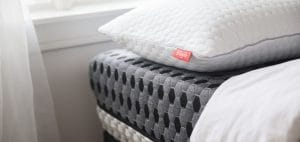
The Layla Cooling Mattress Topper uses L2Copper™ lux memory foam with Variable Support, where copper-gel microbeads react to pressure with a firming response, so the topper feels plush overall but provides targeted pressure relief where your body needs it. The benefits of copper in sleep products are comfort and temperature, along with the ability to resist bacteria, mold, and odor buildup.
Latex
Latex toppers have an open-cell structure that promotes airflow, and pinhole perforations help heat escape. However, latex relies on passive ventilation. It lets heat move away, but doesn’t actively conduct it away. For mild overheating, latex works well, but for true night sweats, it falls short because airflow alone can’t keep up with significant heat production.
Polyfoam
Polyfoam is the most budget-friendly option. Some polyfoam toppers include open-cell construction or ventilation channels, but polyfoam doesn’t have inherent cooling properties. It retains more body heat than specialty materials, and without conductive additives like copper, it’s limited to passive heat management. Functional for occasionally warm sleepers, it’s unlikely to provide enough relief for chronic night sweats.
Cotton
Cotton toppers are breathable and moisture-wicking, which makes them feel cooler than synthetic alternatives. The tradeoff is that cotton doesn’t offer much pressure relief or contouring, and its cooling effect comes from breathability rather than heat transfer. If you need a cooling mattress topper that also relieves pressure points, cotton alone won’t match a copper-gel memory foam option.
Graphite-infused memory foam
Graphite-infused memory foam uses carbon-based particles to improve thermal conductivity. Graphite conducts heat and moves warmth away faster than standard memory foam, but its conductivity is less consistent than copper’s, and it doesn’t carry the same antimicrobial benefits. It’s a reasonable choice for hot sleepers without heavy night sweats, but copper-gel infused options provide more reliable cooling.
What Are the Benefits of Cooling Mattress Toppers?
There are many reasons sleepers turn to a cooling mattress topper to improve their sleep. Benefits include:

- Improves temperature regulation: Helps keep your body at a more consistent sleep temperature by dispersing excess heat instead of letting it build up under you during the night.
- Reduces night sweats: Actively limits heat and moisture retention so you’re less likely to wake up feeling damp or overheated.
- Better sleep quality: By reducing overheating and discomfort, it helps you stay asleep longer and wake up fewer times throughout the night.
- Enhances comfort: Adds an extra layer that can soften or balance out your mattress, making your sleep surface feel more supportive and comfortable overall.
- Relieves pressure with cooling support: Cushions pressure points like your shoulders, hips, and back while still allowing heat to escape so you’re not trading comfort for temperature control.
- Cost-effective sleep upgrade: Gives you a noticeable improvement in sleep comfort and cooling without the expense or hassle of replacing your mattress.
- Promotes a hygienic sleep environment: Encourages better airflow and less moisture buildup, which helps keep your sleep surface fresher and less prone to odor or bacteria over time.
How Do Cooling Mattress Toppers Work?
Cooling mattress toppers use one or more of three mechanisms to manage heat:
- Thermal conductivity: Materials like copper and graphite physically transfer heat away from your body and distribute it across the topper.
- Phase change: Cooling gels absorb body heat and temporarily store it before releasing it.
- Ventilation: Latex and open-cell foams rely on channels or perforations to let warm air escape.
Most effective cooling mattress toppers combine at least two of these approaches. Copper-gel infused memory foam pairs thermal conductivity with phase-change cooling, which is why it handles sustained heat buildup better than materials relying on airflow alone.
For additional strategies, learn how to make a memory foam mattress cooler, and consider layering with comforters that keep you cool to build a full cooling sleep setup.
What Should You Look For in a Cooling Mattress Topper?
Choosing the right cooling mattress topper goes beyond the label. Here are the factors that affect real-world performance:

- Cooling properties: Look for active heat-dissipating materials like copper or graphite rather than toppers relying solely on breathability.
- Materials: Copper-gel infused memory foam offers the best combination of cooling and comfort, while latex and polyfoam each have tradeoffs.
- Phase change: Cooling gels absorb body heat and temporarily store it before releasing it.
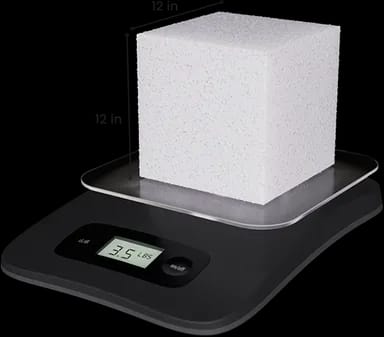
- Density and firmness: Higher-density foams offer better support but trap more heat. A good cooling topper uses conductive materials to counteract that.
- Pressure relief: The topper should still contour to your body and relieve pressure at the hips, shoulders, and lower back.
- Thickness: Thinner toppers (2 inches) are easier to cool, while thicker options (3–4 inches) offer more cushioning but require more effective cooling technology.
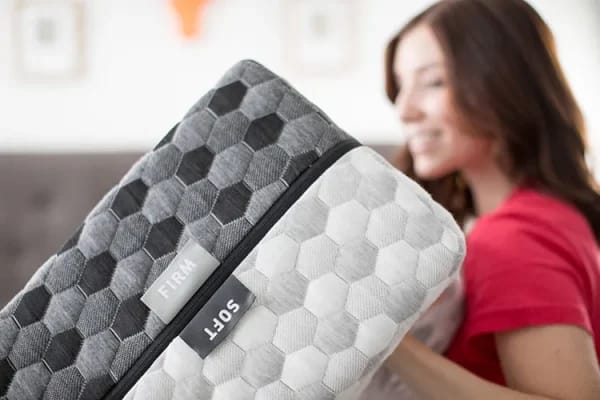
- Comfort: Firmness preference is personal. Options like Layla’s topper with Variable Support adjust dynamically to your body rather than locking you into a single firmness level.
- Durability: Look for toppers that maintain cooling properties for several years. Copper-infused foams hold up well because the copper is embedded throughout, not applied as a surface coating.
- Cost: Prices vary widely depending on material, with basic polyfoam at the low end and copper-gel or latex options at the higher end.
How Do You Care for a Cooling Mattress Topper?
Proper care extends both the life and cooling performance of your topper. Follow these tips:
- Spot clean with mild detergent: Use a damp cloth and gentle detergent for spills or stains. Avoid soaking the foam.
- Air dry completely: Let your topper dry fully before replacing sheets. Moisture trapped inside foam can encourage mold or mildew growth.
- Never machine wash or submerge: Foam materials aren’t designed for full immersion or machine agitation since either can break down the cell structure.
- Use a mattress protector: A breathable mattress protector shields your topper from sweat, oils, and allergens without blocking airflow. Not sure which option is right for you? Learn the difference between a mattress pad vs. mattress protector and why both are essential for a complete sleep system.
FAQs: Cooling Mattress Toppers
What are the differences between passive cooling toppers and active cooling toppers?
Passive cooling toppers use materials like gel-infused foam or copper to manage heat without external power. Active cooling toppers rely on fans, water pumps, or thermoelectric systems. Active systems offer precise temperature control but are significantly more expensive, require electricity, and add bulk. For most people, a passively cooled mattress topper with conductive materials provides affordable, practical relief.
How soft or firm should a cooling mattress topper be?
It depends on sleeping position. Side sleepers generally benefit from a softer topper that cushions the shoulders and hips. Back sleepers do well with medium firmness that supports the spine’s natural curve. Stomach sleepers need firmer support to stop the hips from sinking. A topper with Variable Support helps by responding dynamically to pressure — plush in lighter areas, firmer where you need it.
What is the difference between a mattress topper and a mattress protector?
A mattress topper is a thick comfort layer (2–4 inches) that changes how your mattress feels by adding softness, support, or cooling. A mattress protector shields your mattress from spills, allergens, and wear without changing the feel. Many people use both, adding a topper for comfort and a protector for cleanliness.
How can you sleep cool at night?
A cooling mattress topper is one piece of the puzzle. For a full approach to help you learn how to stop sweating at night, follow these tips:
- Choose a breathable mattress: A hybrid mattress or memory foam mattress with cooling technology allows better airflow than a traditional innerspring. To find the perfect mattress, use our free mattress quiz.
- Use cooling bedding: Swap to sheets for hot sleepers, like bamboo sheets, and pair with a down alternative comforter that won’t trap heat.
- Lower the room temperature: Set your thermostat between 60–67°F, or learn how to keep your room cool with fans and ventilation.
- Create a cross breeze: Position a fan near an open window to pull cooler outside air through the room.
- Wear lightweight sleepwear: Loose, moisture-wicking fabrics help your body release heat naturally.
Wrapping Up: Sleep Comfortably With a Cooling Mattress Topper
If night sweats are cutting into your sleep, the material inside your cooling mattress topper matters more than any marketing claim. Copper-gel infused memory foam has a measurable advantage when it comes to pulling heat away from your body, and when paired with Variable Support and antimicrobial protection, you’re investing in sleep that actually stays cool.
Explore the Layla Mattress Topper to see how copper-infused cooling works in practice, or browse Layla’s full collection of bedding, pillows, and mattresses built for hot sleepers.
References
- Bryce, Carl. “Persistent Night Sweats: Diagnostic Evaluation.” American Family Physician, American Academy of Family Physicians, 1 Oct. 2020, www.aafp.org/pubs/afp/issues/2020/1001/p427.html.