How to Choose a Weighted Blanket
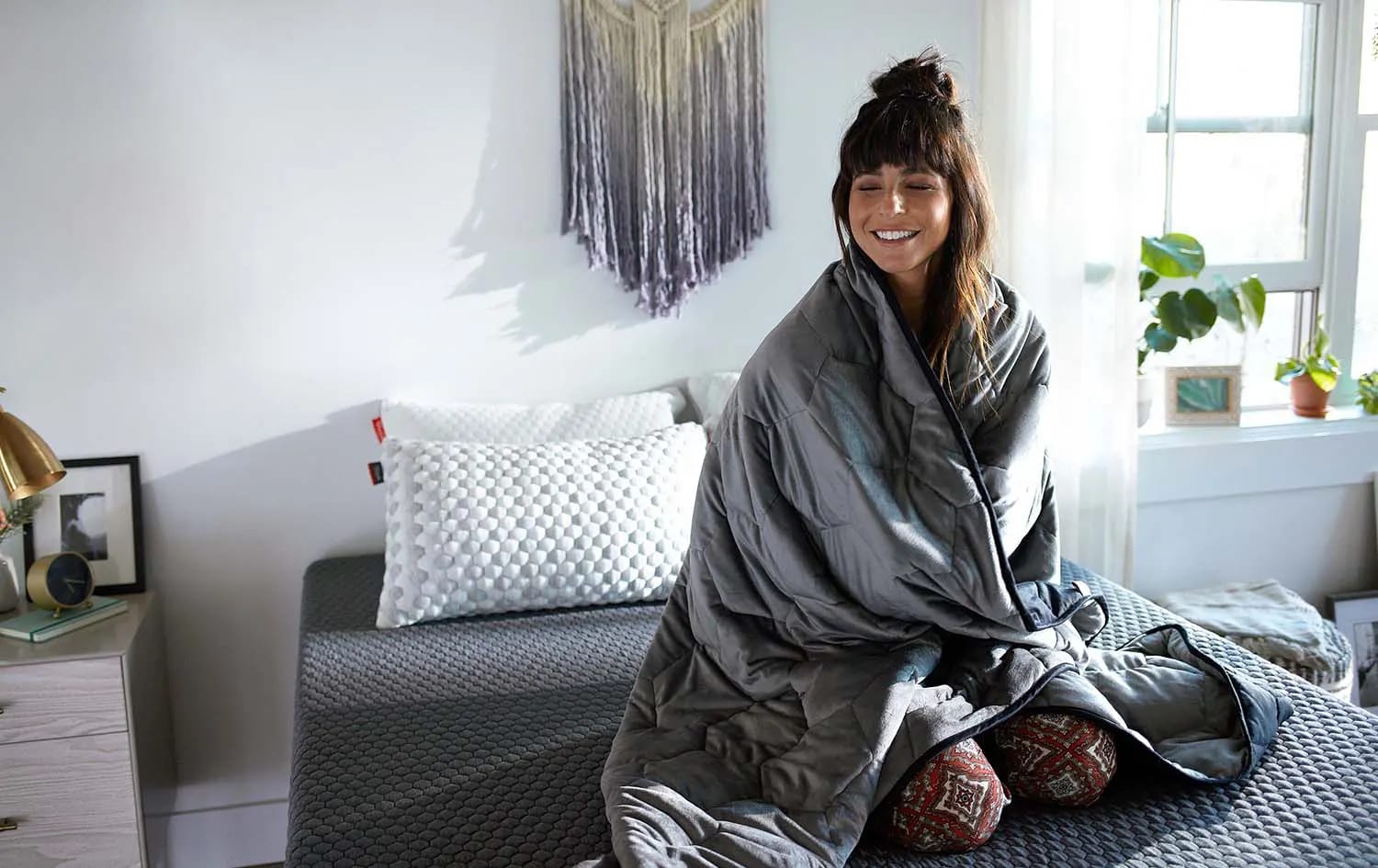
A weighted blanket is a heavier-than-normal blanket constructed with fillings like glass beads or plastic pellets, and is designed to apply gentle, even pressure across your body, known as deep touch pressure (DTP), to help promote relaxation and better sleep. A weighted blanket should weigh around 10% of your body weight to get the calming effect without feeling restricted.
In our guide on how to buy a weighted blanket, we’ll explore everything you need to know in order to make a sound purchasing decision that makes sense for your budget and your lifestyle. Keep reading our weighted blanket buying guide to find out how to pick a weighted blanket and learn how they might improve your quality of sleep and send you off into a restful slumber more quickly.
Key Takeaways
- Weighted blankets are blankets with added weight, which typically comes from fill materials like glass beads, plastic pellets, steel beads, or organic materials like sand, ranging anywhere from 5 to 25 lbs.
- A weighted blanket should weigh around 10% of your body weight for the right balance of comfort and pressure.
- Weighted blankets work through deep touch pressure (DTP) to calm the body and mind to promote relaxation and better sleep.
- To choose a weighted blanket, consider the blanket’s weight, material, fill type, price, temperature control, machine washability, comfort, durability, and size.
What Is a Weighted Blanket?
A weighted blanket is a blanket that’s designed to be heavier than a typical blanket you might think of. Instead of relying on bulk or thickness for warmth, it uses evenly distributed weight, usually from poly beads, metal pellets, dense woven fabric, or tiny glass beads, to apply gentle, consistent pressure across your body. Most weighted blankets fall somewhere between 5 and 25 pounds, and are intended to rest on top of you rather than drape loosely like a traditional comforter.
The purpose of a weighted blanket is to create a calming effect on the sleeper who uses it. It provides a comforting snugness that may help you fall asleep faster. Additionally, weighted blankets can help improve your sleep quality to help your circadian rhythm get back on track.
How Do Weighted Blankets Work?
Weighted blankets act as a natural sleep aid by mimicking an occupational therapy strategy called deep touch pressure therapy, or DTP. DTP helps calm the body and mind during periods of stress. When pressure is applied to the body using DTP, you can activate what’s called the parasympathetic nervous system (PSNS).1
Your PSNS is the calming, zen force in your body that is the opposite of your sympathetic nervous system (SNS). In contrast to your PSNS, your SNS is what kicks up your fight or flight response during a stressful event. The physical effects that come into play when your parasympathetic system takes over include a decreased heart rate, improved blood circulation, and more relaxed muscles.
The DTP effects provided by a weighted blanket may help you experience an increase in hormones like endorphins (the same happy chemical that gives you a runner’s high). Neurotransmitters such as serotonin and dopamine also get released, which can help you feel at peace. The result for many people is feeling calmer, a bit more grounded, and better able to achieve deep sleep.
What Are the Benefits of Weighted Blankets?
Weighted blanket benefits range from soothing anxiety to improving sleep quality and reducing the symptoms of restless leg syndrome. Explore the benefits of a weighted blanket below.
- Soothes anxiety: The hug-like feel of a weighted blanket can help take the edge off after a long day. Weighted blankets for PTSD, anxiety, and trauma recovery help improve sleep quality and duration to allow those living with these conditions to reduce cortisol, increase serotonin, and relax their nervous systems.
- Improves sleep quality: A recent study observed that a weighted blanket helped patients get to sleep quickly and sleep more deeply during the night, especially those with sleep disorders like ADHD, autism spectrum disorder, insomnia, and other related disorders.2
- Reduces symptoms of restless leg syndrome: Restless leg syndrome may make sufferers experience a strong compulsion to move their legs along with unusual sensations like burning, crawling, pain, or tingling. A weighted blanket might help counter these symptoms. In turn, you can sleep without tossing and turning.3
- Improves sensory processing disorder: If you’re sensitive to your environment or have a sensory processing disorder, the world might feel overwhelming and even scary. Luckily, research has shown that regular use of weighted blankets can reduce sensitivity to sensory stimuli.2,4
What are the downsides of weighted blankets?
Although there are plenty of real benefits to write home about when it comes to weighted blankets, there are a few drawbacks to consider.
As you might imagine, weighted blankets are quite heavy, making them a difficult travel companion. They can also be hot since they’re so heavy and dense.
It’s also important to always monitor children using weighted blankets. In some cases, they can be a hazard since a child can have a harder time adjusting underneath the weight of a heavy blanket. Very young children and infants should never use a weighted blanket. If you’re unsure if your child should use a weighted blanket, consult with a doctor first.
How Heavy Should a Weighted Blanket Be?
The weight of a weighted blanket is another factor to consider. In the majority of cases, a weighted blanket should be approximately 10% of a sleeper’s total body weight. So, for example, if you weigh 150 pounds, you’d want a 15-pound weighted blanket. Of course, your preferences may vary. You might find that you like a lighter weighted blanket that allows for more freedom of movement. Or you may prefer a heavier weight that provides the snugness you’re looking for.
The Layla Weighted Blanket
The Layla Weighted Blanket comes in three weights: 15 pounds, 20 pounds, and 25 pounds. You can choose the weight and size you prefer based on your biometrics. Plus, Layla Sleep offers a five-year warranty on all materials and workmanship, so you never have to worry about your money going down the drain.
How to Choose a Weighted Blanket
If you’re wondering how to choose a weighted blanket, there are certain factors to take into consideration. The last thing you want is to buy a weighted blanket that doesn’t whisk you away to sleep night after night. To ensure you make the right choice, here’s how to pick a weighted blanket:
- Weight: The first consideration is the weight of the weighted blanket. Make sure the blanket you choose is around 10% of your body weight.
- Material: Consider the materials used in your weighted blanket. Hot sleepers should opt for cotton, bamboo, or knit weighted blankets, while cold sleepers should consider fleece, mink-like, or plush options.
- Fill: The fill of your weighted blanket plays a significant role in overall comfort. Glass beads are durable, quiet, and offer even weight distribution, while plastic pellets are affordable and durable but often lighter and not environmentally friendly.
- Price: It’s important to keep your budget in mind. However, cheaper weighted blankets often have poorer quality, which means you may need to replace them sooner. Investing in a quality weighted blanket can last for years to come.
- Temperature control: Some weighted blankets can run hot. Look for ones with breathable fabrics like cotton that promote airflow and don’t trap heat.
- Machine washability: Depending on the weighted blanket you choose, you might not be able to wash it at home. Check the product description of the weighted blanket you have in mind for its washing instructions.
- Comfort: You want to ensure your weighted blanket is comfortable, so review the materials used, as well as customer reviews and testimonials.
- Durability: Once you wrap yourself in a weighted blanket, you’re never going to want to take it off, which means it needs to be durable to last countless nights of sleep.
- Size: When choosing a weighted blanket, you want to ensure you have the right blanket size so that it fits on the top of your bed but doesn’t drape down the sides, as this can make it easy for the weighted blanket to fall off the bed and can add more pressure on top of the sleeper.
These are some of the top general factors to consider when picking a weighted blanket. However, if you’re looking to choose a weighted blanket for you or a loved one, whether it’s a child, adult, or couple, there are additional considerations to make, which can be found below.
How to Buy a Weighted Blanket for a Child
For parents, it’s important to understand the safety of weighted blankets. Many weighted blankets are designed for use by children, but it’s important to ensure the blanket is light enough for the child to move by themselves. Similar to adults, the weight of a weighted blanket for children should be about 10% of their body weight. While children are generally safe to use a weighted blanket, infants and toddlers should not use weighted blankets at all, because they can be dangerous and too heavy for them to manage on their own.
Review our guide on weighted blankets for kids to learn more about safety and how to choose the right weight.
How to Buy a Weighted Blanket for a Couple
If you sleep with a partner, you might want to share a weighted blanket. Although this arrangement can work, it’s important to make sure that both sleepers feel comfortable with the size and weight of the blanket. With that said, you might want your own weighted blankets if you and your partner have a dramatic size and weight difference.
A weighted blanket for couples works best if you’re a similar size.
How to Buy a Weighted Blanket for Adults
A weighted blanket for adults should correlate to your weight and size. Again, the type of weighted blanket you choose depends on your specific personal preferences. Do you feel comfortable? Can you move under the weighted blanket? Do you close your eyes and feel more relaxed? If you say yes, you’ve made the right weighted blanket buying choice.
What Are Weighted Blankets Filled With?
The weight of a weighted blanket can be made from a wide range of different materials. With that said, you may be wondering which weighted blanket filling is best. Below are the different types of fillings you can find:
| Filling Type | Feel & Texture | Weight Distribution | Temperature | Noise Level | Durability & Care | Overall Take |
|---|---|---|---|---|---|---|
| Glass Beads | Smooth, fine, and even pressure | Very even and consistent | Neutral to cool | Silent | Long-lasting, machine washable | Best overall balance of comfort, performance, and longevity |
| Plastic Pellets | Bulkier, slightly bumpy | Moderate (can feel lumpier) | Warmer (traps heat) | Slight rustling | Shorter lifespan, may need spot cleaning | Budget-friendly but less refined |
| Steel Beads | Dense, firm, can feel bumpy | Very compacted weight | Cool to the touch | Slight rustling | Durable, machine washable | Good for high weight in a thinner blanket |
| Sand | Soft at first, can shift | Inconsistent over time | Can retain moisture/heat | Silent | Not washable, breaks down over time | Least practical long-term option |
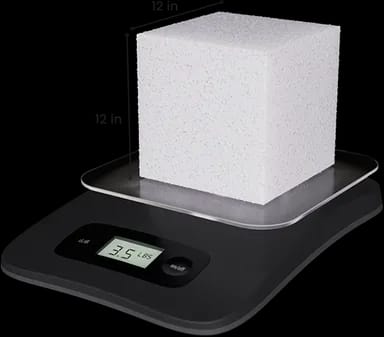
- Glass beads: Glass beads are one of the top fillings for weighted blankets for several reasons. First, glass beads are heavier than other filling options, which means less will need to be used, reducing the likelihood of clumping and excess noise. Second, weighted blankets with glass beads are much easier to wash because they have higher heat resistance and can withstand washers and dryers. The Layla Weighted Blanket is constructed with micro glass beads sewn between two layers of poly-fill batting to keep the blanket quiet.
- Plastic pellets: Another common weighted blanket filling is plastic pellets. Plastic pellets are affordable and durable, just like glass beads, but might not be machine washable, depending on the manufacturer. However, plastic poly pellets are much lighter, which means more will need to be used to get the desired weight of the blanket, resulting in bumps and unevenness. Additionally, plastic is more harmful to the environment.
- Steel beads: Steel beads are a popular weighted blanket filling choice, as they are durable and easy to clean. They also have the ability to add more weight with fewer beads compared to plastic pellets and other filling types. However, because steel beads are often larger, they can make a weighted blanket bumpy and loud.
- Sand: In some weighted blankets, you can find sand. While sand is an environmentally-friendly filling option, it makes washing the weighted blanket very difficult. Additionally, sand can make the weighted blanket very uneven and can sometimes seep through the seams and stitching.
One of the top tips for buying a weighted blanket is understanding the different filling options. Glass beads are often recommended, thanks to their durability, weight, and affordability.
What Fabric Should My Weighted Blanket Be?
The fabric composition of your weighted blanket depends purely on your preferences and lifestyle. Weighted blankets can be made with velvet, satin, flannel, polyester, cotton, rayon, linen, wool, and other materials. If you get cold often, a warmer blanket material like fleece might be a good option.
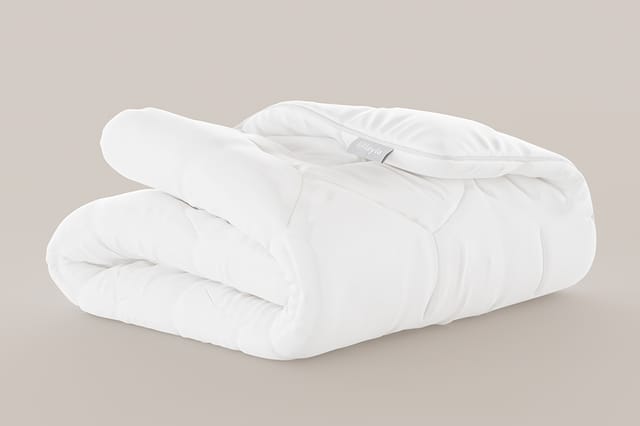
If you tend to sleep hot, a lightweight cotton weighted blanket is preferable. You could get a summer weighted blanket made from lighter fabric and switch it out for a denser weighted blanket in the winter. Or you can get the Layla Weighted Blanket that boasts two sides for you to choose from, so you have the option of a lighter cotton side that’s breathable and a fluffy, mink-like faux fur side that’s warm and luxurious. Plus, with the Layla Blanket, you don’t need two different blankets!
How Do You Wash a Weighted Blanket?
Washing a weighted blanket comes down to knowing what it’s made of and how heavy it is before you start. In some cases, your weighted blanket can be washed in a washing machine, but you should check your blanket’s laundering instructions on the tag to be sure.
- Read the label: Start by reading the label on your weighted blanket to determine whether it’s machine washable or requires spot cleaning or dry cleaning.
- Know your blanket type: Some weighted blankets come with removable covers, making them easy to take off and wash like normal bedding. For solid pieces, you’ll need to wash the entire blanket carefully.
- Cotton weighted blankets: To wash a cotton weighted blanket, use cold and warm water during the wash cycle. A cup of salt and vinegar can also help lock in colors and avoid dye bleeding.
- Faux fur weighted blankets: Wash your fluffy weighted blanket on cold or warm. Use non-chlorine bleach and use a gentle hand if you’re scrubbing out any stains.
- Linen blend weighted blankets: If you have a linen-rayon blend, you might need to get it professionally dry-cleaned. But if your weighted blanket is only made from linen, you can wash it on a cold cycle and use diluted bleach to get stains out.
- Dry properly: Each weighted blanket will have different drying instructions depending on the manufacturer. Common options include:
- Air dry: Air drying ensures that your filling (especially if it’s plastic pellets) won’t melt. Air drying can also provide the most even drying and reduce peeling on certain kinds of fabric, like fleece. To dry, lay out the blanket flat for even weight distribution.
- Dry clean: If your weighted blanket is made from wool, rayon, or linen, dry cleaning might be the best option.
- Low heat machine dry: Most manufacturers require you to machine dry your weighted blanket using the low heat setting. Using a gentle tumble setting and low heat, you can be confident that your blanket will remain intact and keep the integrity of most fillers. In some cases, your weighted blanket might be too big and bulky for a regular washer or dryer. You might want to head to a laundromat to use a commercial dryer instead.
If you get a Layla Weighted Blanket (good choice), washing directions are as follows:
- Wash on cold, gentle
- Don’t bleach
- Don’t iron
- Tumble dry on low
Weighted Blanket FAQs
Do I need a cover for my weighted blanket?
If your weighted blanket isn’t washable, you might want to get a cover for it. A cover can provide an added layer of protection between the potentially sensitive filler material and stains. Plus, if you find your weighted blanket to be excessively scratchy, you can buy a cover that’s more plush and comfortable.
The Layla Weighted Blanket was designed for maximum convenience. Did your nightcap end up on your blanket? Toss it in the washing machine. This blanket can keep up with whatever your life throws at it. Just make sure to follow the washing instructions on the care tag.
How do I know if a weighted blanket is too heavy?
A weighted blanket is likely too heavy if it feels restrictive instead of calming. Signs of a weighted blanket that’s too heavy include trouble moving underneath it, feeling short of breath, or waking up uncomfortable. As a general rule, stick to around 10% of your body weight, and size down if you’re unsure or sensitive to pressure.
Do weighted blankets make you hot?
Some weighted blankets can feel hot, but it depends on the materials. Blankets with plastic pellets or plush fabrics tend to trap heat, while cotton, bamboo, or knit options are more breathable. Glass beads tend to run the coolest, as they don’t retain heat. If you sleep hot, look for moisture-wicking fabrics and lighter constructions to avoid overheating during the night, and pair with summer bedding that’s breathable, like bamboo sheets and an all-season comforter.
How long should you use a weighted blanket?
You can use weighted blankets for short periods while relaxing, such as reading a book or watching TV, or throughout the entire night. If you’re new to one, start with 20-30 minutes to see how it feels, then gradually increase. Most people end up using it all night once they’re comfortable with the weight.
Wrapping Up: Investing in a Weighted Blanket and Better Sleep
Choosing a weighted blanket comes down to getting the basics right, such as weight, material, and how it fits your sleep style. When those line up, the gentle pressure can help you relax, settle in faster, and stay more comfortable through the night. You don’t need to overthink it. Simply start with the 10% rules, pick a breathable fabric if you run warm, and focus on what actually feels good to you.
The Layla Weighted Blanket is the best choice when it comes to these specialized blankets. Built with a two-in-one design and filled with highly durable glass beads, this weighted blanket is in a class all its own. Don’t believe us? Feeling skeptical? Just read these reviews from Sleepadvisor.org and Business Insider.
With the Layla Weighted Blanket, you can enjoy a better night of sleep and, frankly, a better you. If you found this weighted blanket buying guide helpful, review our comforter buying guide next.
References
- Stanley Wong, Nicholas Fabiano, Brandon Luu, Chanhee Seo, Arnav Gupta, Helena K. Kim, Risa Shorr, Brett D.M. Jones, Michael S.B. Mak, M. Ishrat Husain. The effect of weighted blankets on sleep quality and mental health symptoms in people with psychiatric disorders in inpatient and outpatient settings: A systematic review and meta-analysis, Journal of Psychiatric Research, Volume 179, 2024, Pages 286-294, ISSN 0022-3956, https://www.sciencedirect.com/science/article/pii/S0022395624005508
- Yu J, Yang Z, Sun S, Sun K, Chen W, Zhang L, Xu J, Xu Q, Liu Z, Ke J, Zhang L, Zhu Y. The effect of weighted blankets on sleep and related disorders: a brief review. Front Psychiatry. 2024 Apr 15. https://pmc.ncbi.nlm.nih.gov/articles/PMC11056563/
- Nouman Aslam M, Kafle R, Shawl SH, Khan AS, Kagzi MW. Weighted Blanket Therapy for Periodic Limb Movement Disorder: A Case Report Highlighting Improved Sleep Quality and Reduced Symptoms. Cureus. 2023 May 29;15(5). https://pmc.ncbi.nlm.nih.gov/articles/PMC10300619/
- Davis-Cheshire R, Bennington S, Hartsek A, Kelly T, Marinelli J, Perez A. The Impact of Weighted Blanket Use on Adults with Sensory Sensitivity and Insomnia. Occup Ther Int. 2023 Dec 20;2023. https://pmc.ncbi.nlm.nih.gov/articles/PMC10752672/